
Police Records for Jefferson County Kentucky
Jefferson County sits at the heart of Kentucky. Louisville Metro serves as the county seat and largest city. Police records here come from two main sources. The Louisville Metro Police Department handles city law enforcement. The Jefferson County Sheriff's Office manages court security and county-wide duties. Both agencies keep detailed records of incidents, arrests, and calls for service. These documents help citizens understand local crime trends. They also serve those who need proof of incidents for insurance or legal matters.
Jefferson County Quick Facts
Louisville Metro Police Department Police Records
The Louisville Metro Police Department serves as the primary law enforcement agency for Jefferson County. LMPD patrols neighborhoods across the metro area. Officers respond to emergency calls and routine matters. They document each incident in detailed reports. These police records become part of the public record. Citizens can request copies for various purposes.
The department maintains a Records Division on West Ormsby Avenue. This office handles all public records requests. You can visit in person during business hours. Staff are available Monday through Friday from 8 a.m. to 4 p.m. They can help you locate the specific reports you need. Bring identification and any details about the incident.
LMPD offers multiple ways to obtain police records. You can submit requests through their online portal. This system allows electronic submission and tracking. You may also email the Open Records unit directly. Fax requests are accepted at the records office. Some people prefer to visit in person. Each method has the same goal. They all provide access to public documents.
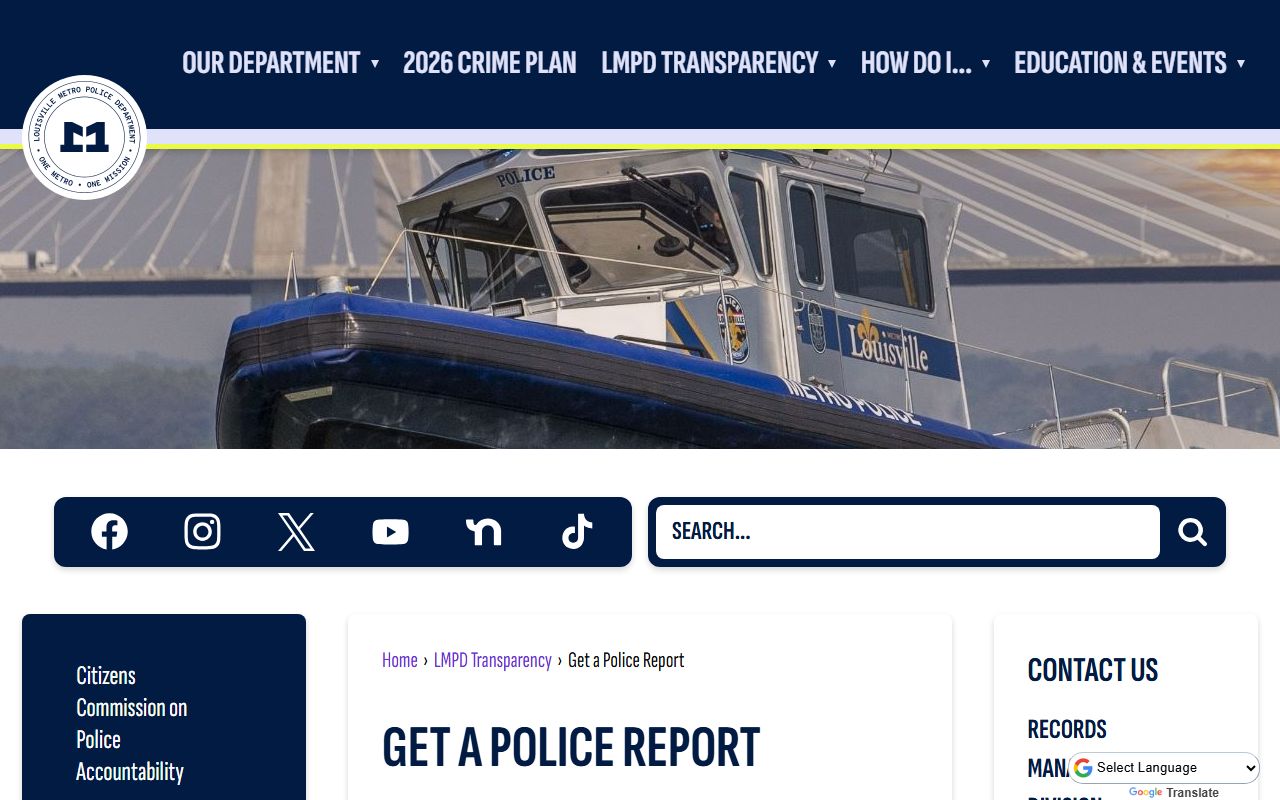
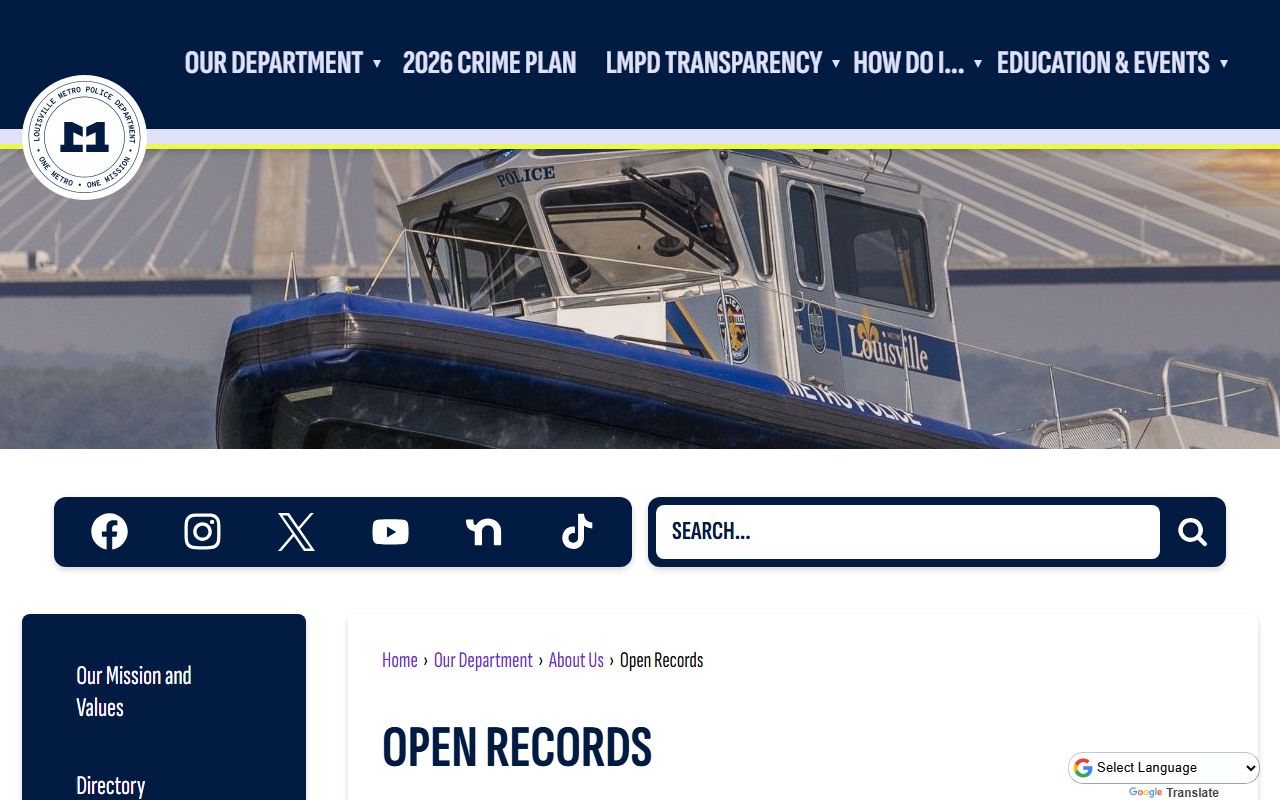
Visit the LMPD Open Records page to start your request. The portal guides you through the process step by step. You will need to provide specific details. Include dates, locations, and names if known. The more information you provide, the faster staff can locate your records. Response times vary based on request volume.
The Records Division handles thousands of requests each year. They process incident reports and accident reports. They also manage other public documents. Staff work to respond within the legal time frame. Kentucky law requires a response within five business days. Complex requests may take longer. The department will notify you of any delays.
| Agency | Louisville Metro Police Department |
|---|---|
| Address |
701 West Ormsby Avenue, Suite 001 Louisville, KY 40203 |
| Phone | 502-574-6857 |
| Hours | Monday-Friday, 8 a.m. - 4 p.m. |
| Fax | (859) 425-2270 |
| lmpdopenrecords@louisvilleky.gov | |
| Website | lmpd.gov |
| Online Portal | Submit Request Online |
Jefferson County Police Records Fees and Report Types
Understanding the fee structure helps you prepare your request. LMPD charges different rates for different report types. Accident reports cost ten dollars each. This fee applies to electronic and in-person requests. Incident reports cost two dollars per copy. These fees cover the cost of processing and reproduction.
Accident reports have special access rules. They are not considered fully public records. Only certain people can obtain them. You must be a party to the accident. You could also be an insurance representative. Attorneys representing involved parties may request them. You must show proper identification. Your name must appear on the report.
The fee structure follows Kentucky law. KRS 61.870-61.884 governs public records access. It allows agencies to charge for actual costs. The law balances public access with administrative needs. Jefferson County agencies follow these guidelines. They strive to keep costs reasonable for citizens.
Payment methods vary by request type. In-person requests may accept cash or check. Online portals typically use credit cards. Contact the records office to confirm options. Have your payment ready when you submit. This speeds up the process. It ensures your request moves forward without delay.
Note: Accident reports in Jefferson County cost ten dollars and require proof that you are a party to the incident or their authorized representative.
Jefferson County Sheriff's Office Police Records
The Jefferson County Sheriff's Office operates under Sheriff David A. James. This agency serves a distinct role from the metro police. Deputies focus on court security and civil process. They transport prisoners and serve legal papers. They also patrol unincorporated areas of the county. Their records reflect these specialized duties.
You can request records from the Sheriff's Office through their online portal. The system accepts electronic submissions. It allows you to track your request status. You can also contact them by phone. Their main office sits on West Market Street in downtown Louisville. Staff are ready to assist with records questions.
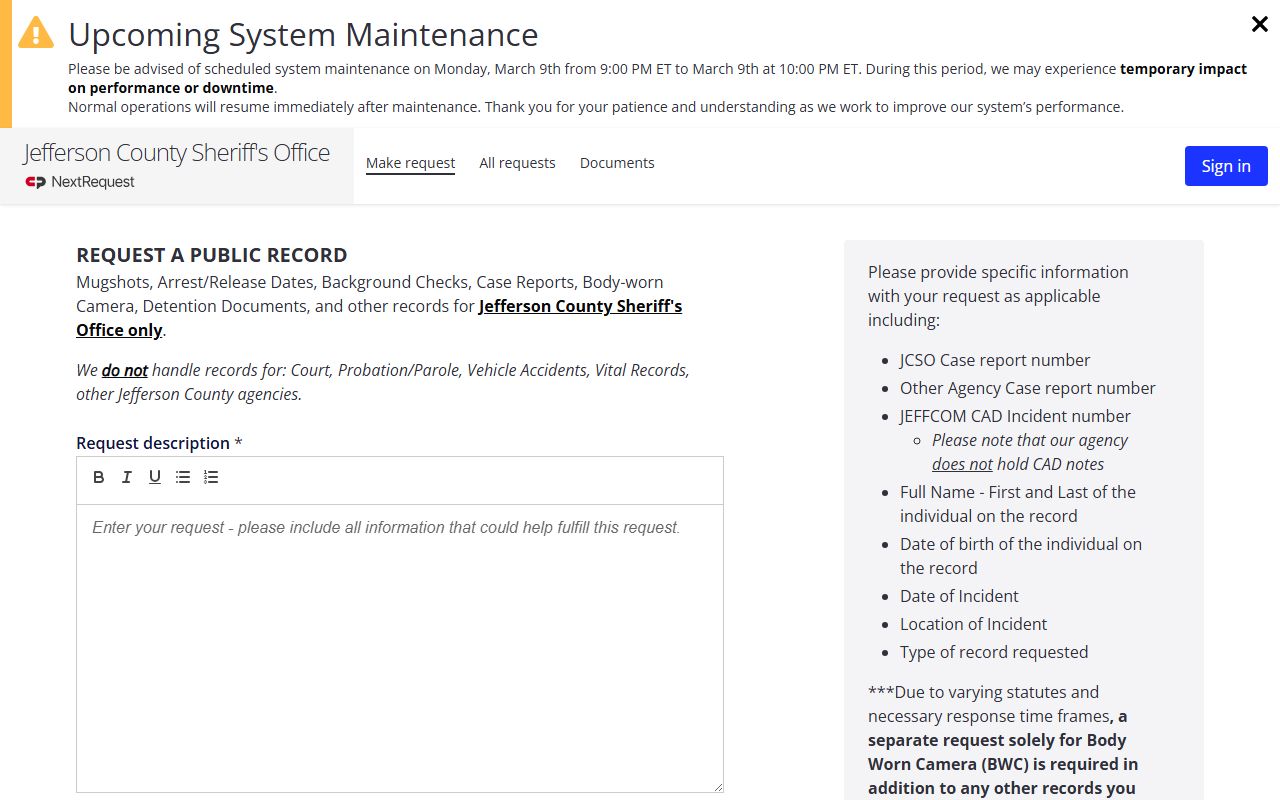
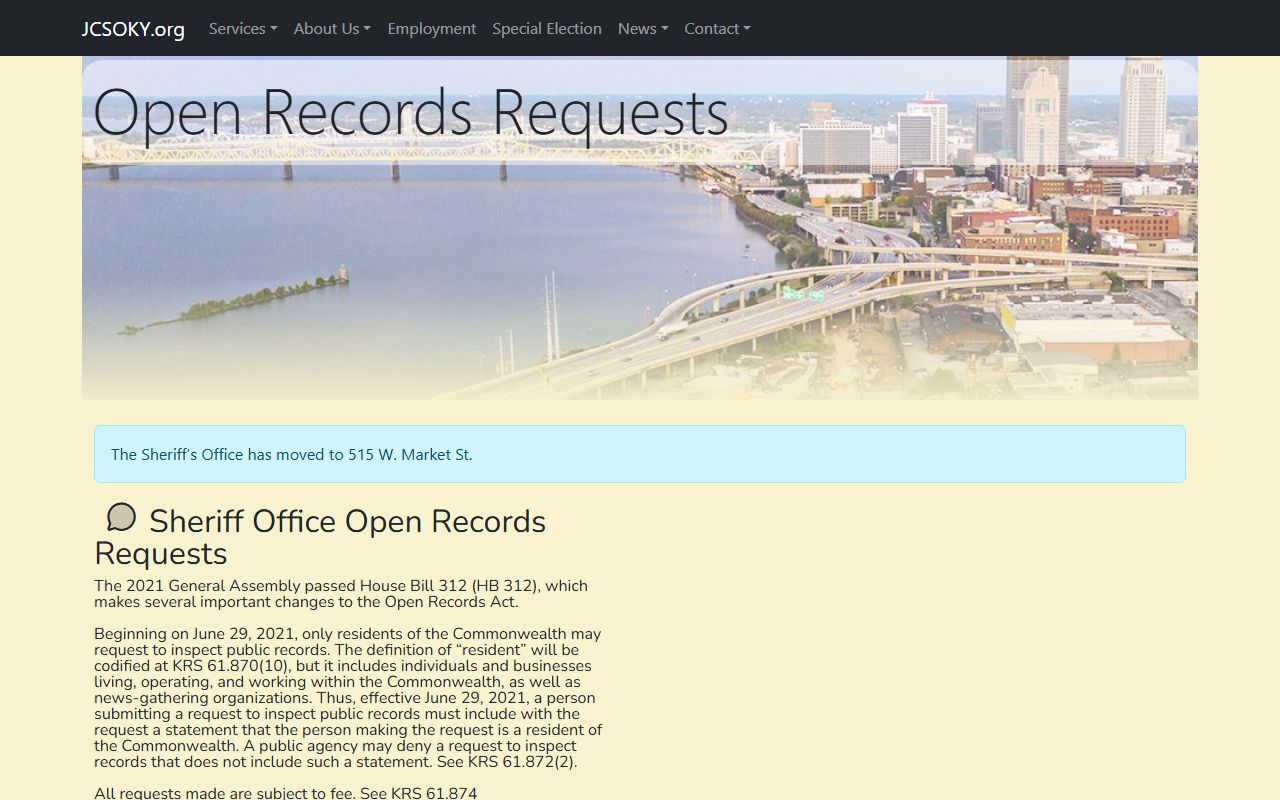
Access the Jefferson County Sheriff Open Records page to learn more about their process. The website explains what records are available. It also outlines any restrictions. Not all sheriff's office records are public. Some documents relate to ongoing investigations. Others contain sensitive information. Staff will guide you on what can be released.
The Sheriff's Office maintains its own records system. This operates separately from LMPD. You may need to check both agencies. It depends on which one handled your incident. Court-related matters typically go through the sheriff. General law enforcement goes through metro police. Knowing the difference saves time.
| Agency | Jefferson County Sheriff's Office |
|---|---|
| Sheriff | David A. James |
| Address |
515 W. Market Street Louisville, KY 40202-3388 |
| Phone | (502) 574-5400 |
| Toll Free | (800) 280-6694 |
| Website | jcsoky.org |
| Online Portal | Submit Request Online |
Note: The Jefferson County Sheriff's Office requires requesters to be residents of the Commonwealth of Kentucky.
How to Request Police Records in Jefferson County
Obtaining police records requires clear steps. First, identify which agency handled your incident. Louisville Metro Police covers most urban areas. The Sheriff's Office handles court and civil matters. Once you know the right agency, gather your information. You will need dates, times, and locations. Names of involved parties help too.
Online requests offer the most convenience. Both agencies provide web portals. You can submit from home at any hour. The systems guide you through required fields. You will receive a tracking number. This lets you check status updates. Most people find this method easiest.
In-person visits work well for urgent needs. You can speak directly with records staff. They can answer questions on the spot. Bring valid photo identification. Have cash or check ready for fees. The offices are located in downtown Louisville. Parking is available nearby.
Written requests by mail are another option. Send a detailed letter to the records unit. Include your contact information. Describe the records you need. Be specific about dates and incidents. Enclose payment if you know the amount. Allow extra time for mail processing. The agency will contact you if they need clarification.
Phone requests can start the process. Call the records division during business hours. Staff will explain your options. They can tell you what information is required. Some requests can be handled over the phone. Others need written confirmation. The staff will guide you through the best approach.
LMPD Transparency and Crime Mapping Resources
Louisville Metro Police maintains a commitment to transparency. They provide resources beyond basic records requests. The department publishes crime data online. This helps citizens stay informed. It also supports community safety efforts. You can access these tools free of charge.
Visit the LMPD Transparency page for open data initiatives. The department shares information about policies and procedures. They post statistical reports on crime trends. This page also covers officer training programs. It reflects the department's commitment to public trust. Transparency builds stronger communities.
Explore the LMPD Crime Mapping tool to see incident locations. This interactive map shows recent police activity. You can search by neighborhood or date range. The data updates regularly. It helps residents understand local patterns. You do not need a records request to view this information.
These resources complement formal records requests. They offer immediate access to general information. For specific incident details, you still need official reports. The mapping tool shows what happened where. It does not include all details. Personal information is protected. Use the official request process for complete records.
Note: Crime mapping data shows general incident locations but does not replace official police reports for legal or insurance purposes.
Kentucky Open Records Law and Jefferson County Police Records
The Kentucky Open Records Act ensures public access to government documents. KRS 61.870-61.884 creates this right for all residents. Police records fall under this law. Jefferson County agencies must comply. They have established procedures for requests. These follow state requirements.
A key requirement affects who can request records. Kentucky law changed in 2021. Now only state residents may inspect public records. You must affirm your residency status. This applies to requests in Jefferson County. Both LMPD and the Sheriff's Office enforce this rule. Be prepared to verify your Kentucky address.
Accident reports have additional rules under KRS 189.635. This statute limits who can access crash reports. Only involved parties and their representatives qualify. Insurance companies need the reports for claims. Attorneys use them for legal cases. The general public cannot obtain these records. This protects driver privacy.
Agencies must respond within five business days. This excludes weekends and holidays. They can extend for complex requests. They must explain any delays. Denials must include legal justification. You can appeal to the Attorney General. The process protects your rights as a requester.
Understanding these laws helps you succeed. Know your rights and responsibilities. Provide clear, specific requests. Respect the residency requirements. Pay required fees promptly. Work with records staff when questions arise. The system works best when everyone follows the rules.